Circular Concrete Driveways in Michigan

Horseshoe, Full Circle & Courtyard Drives Built to Last

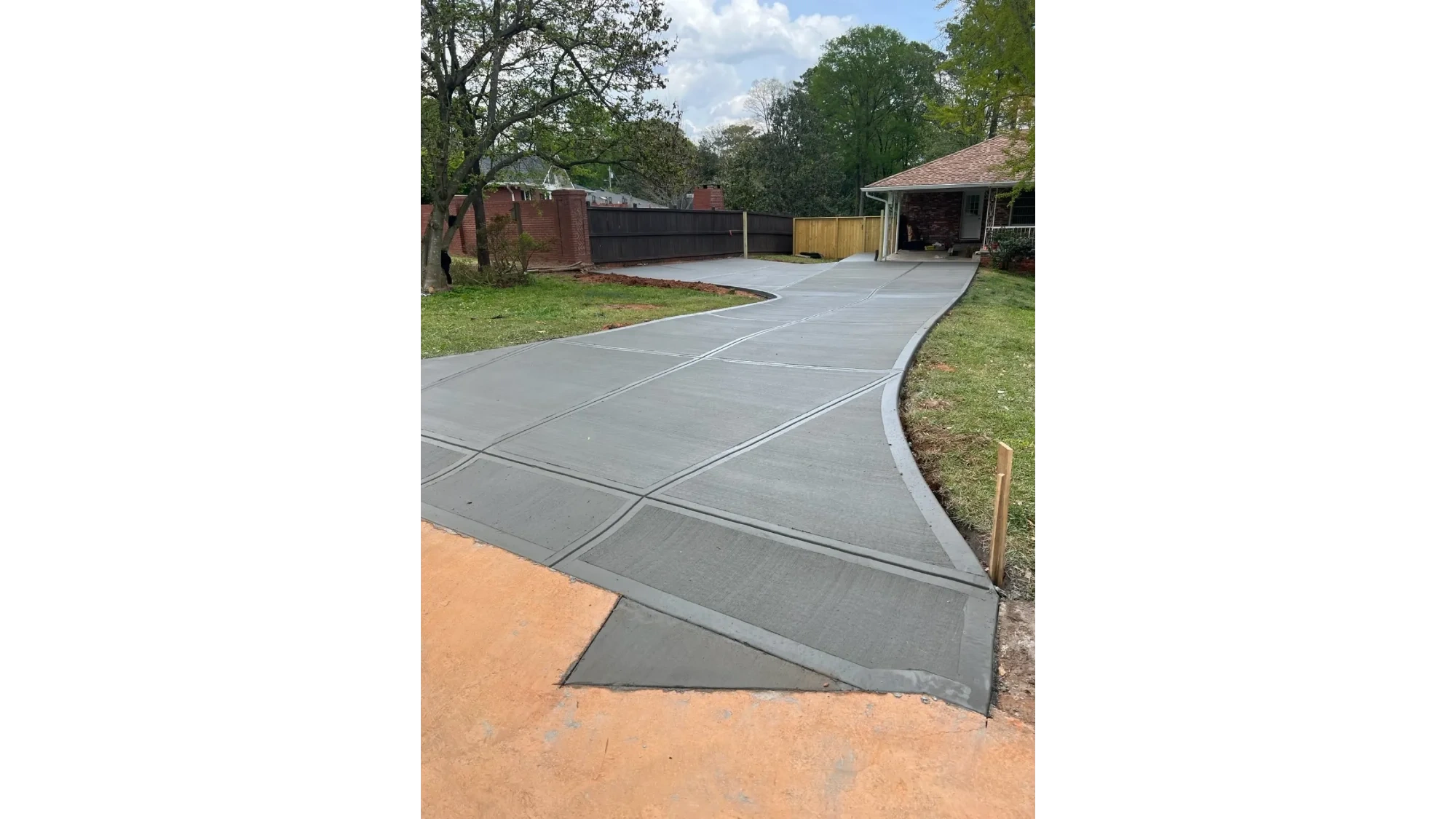
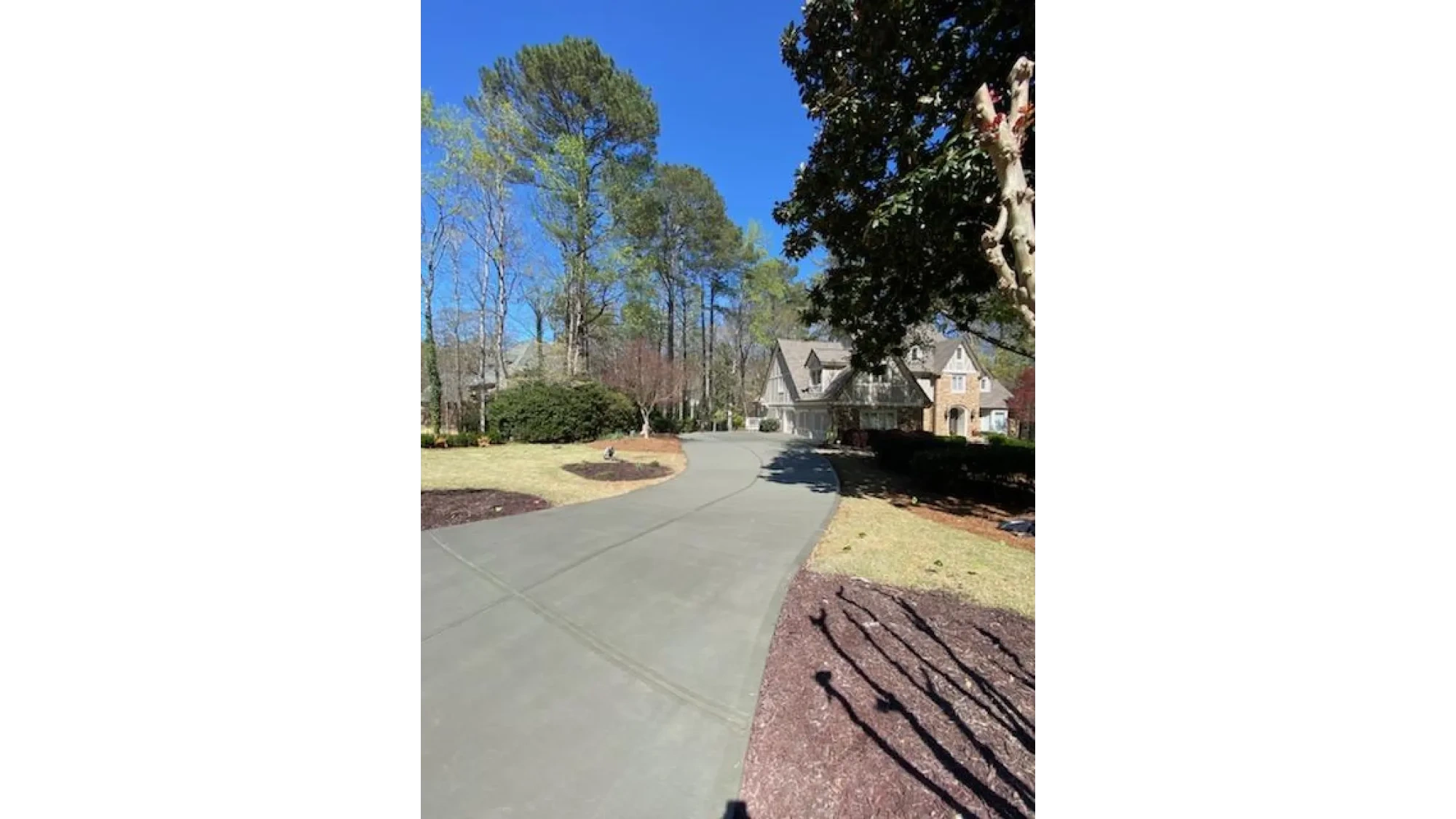
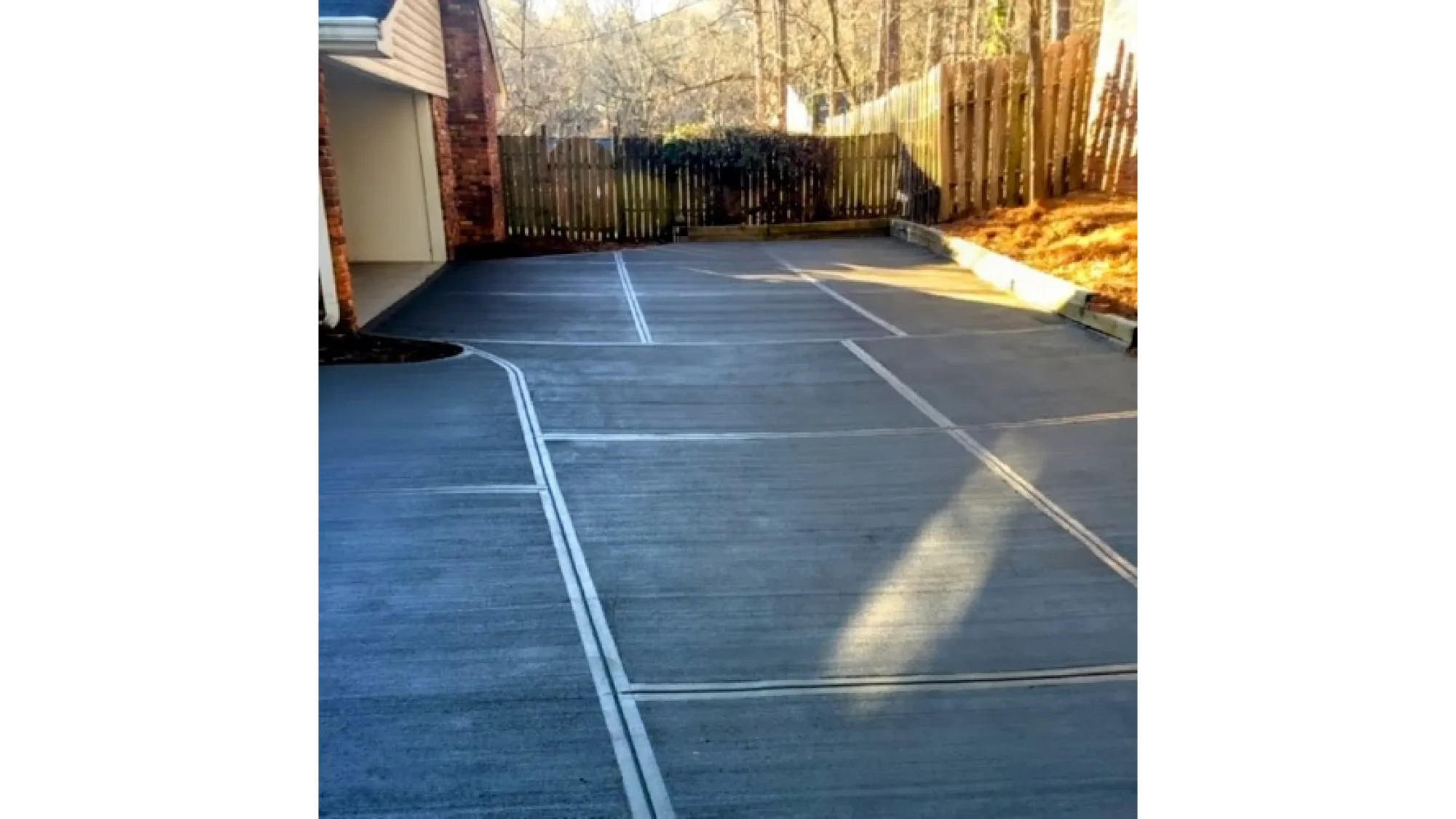
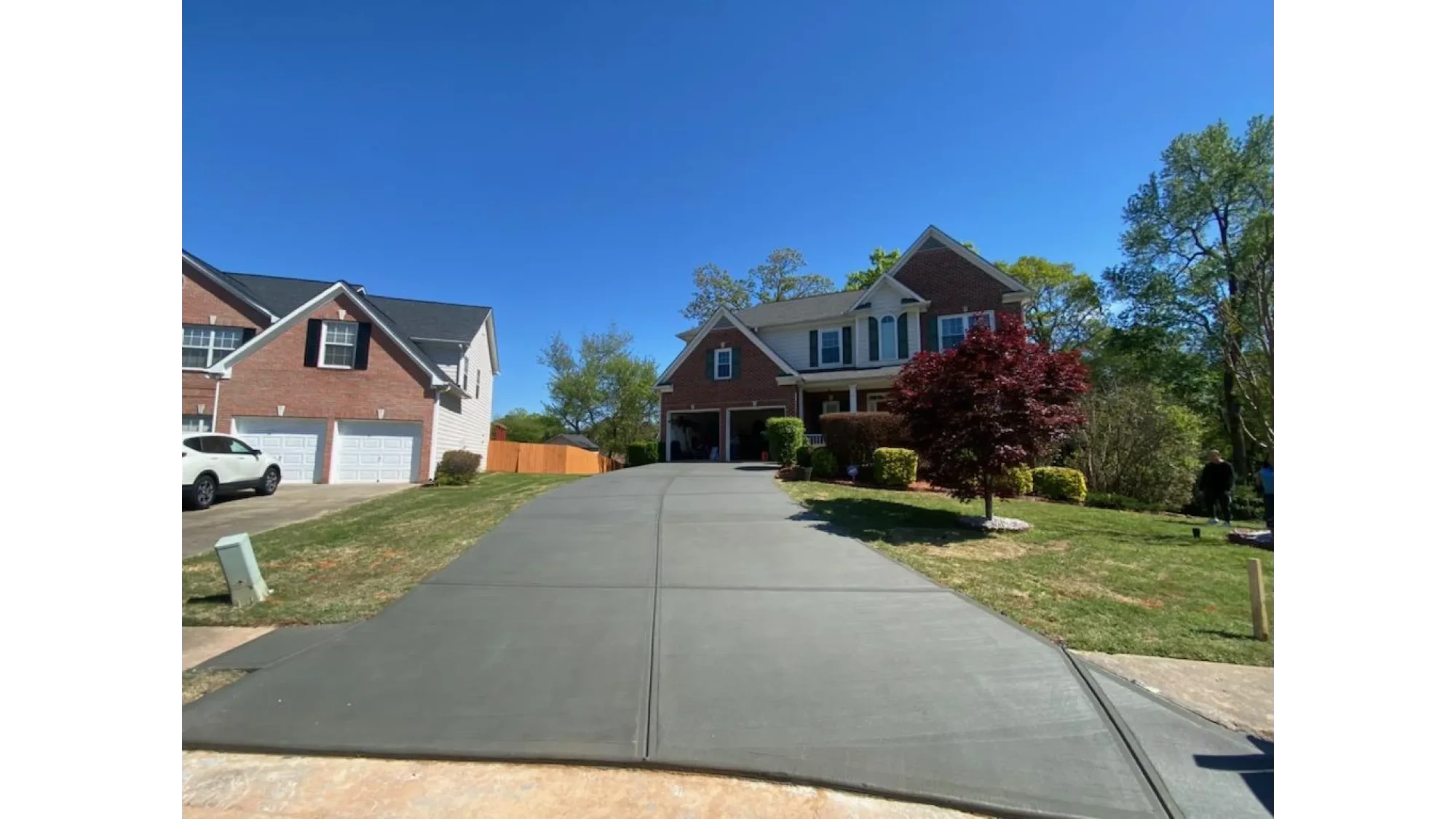
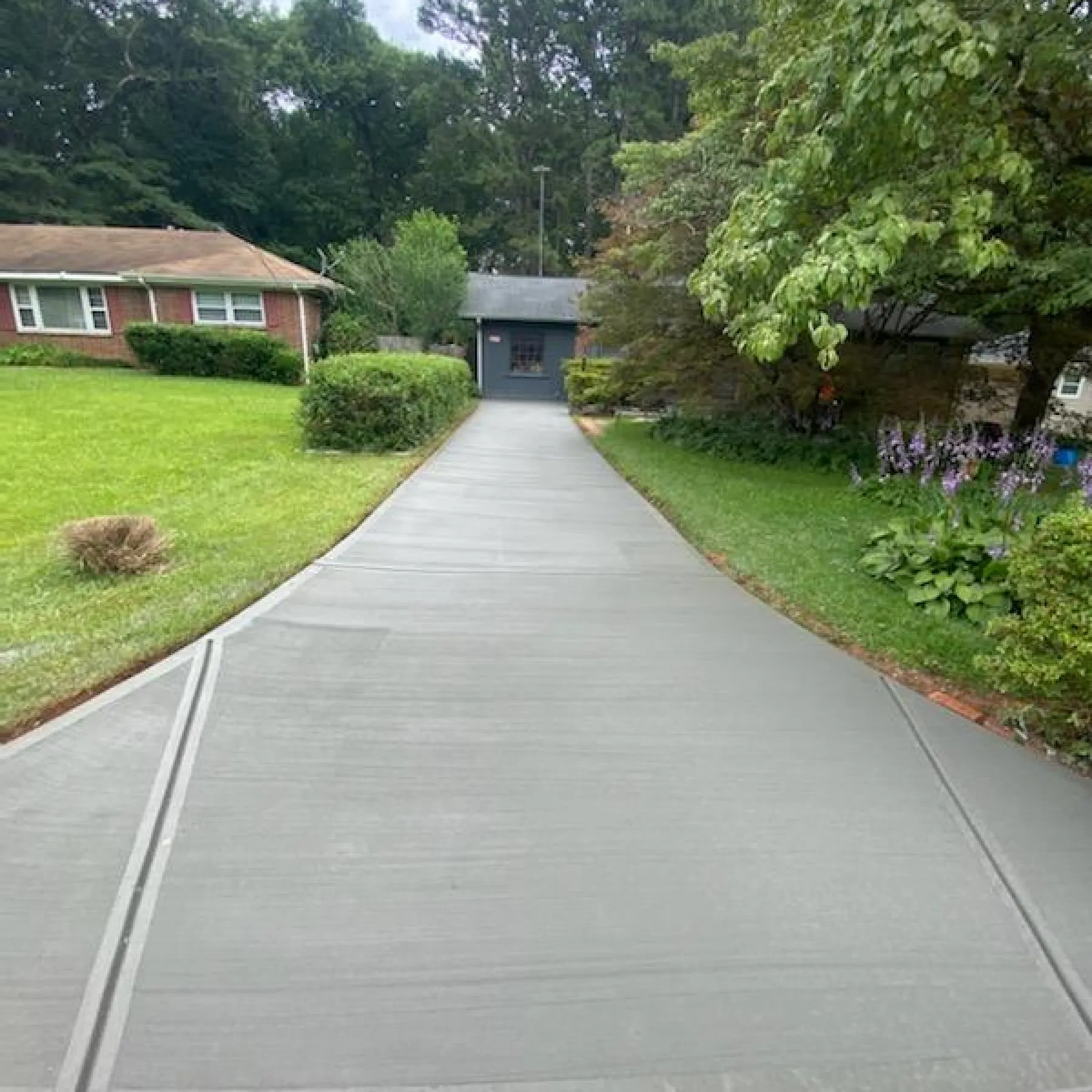
Slab Happy Concrete specializes in circular concrete driveways across Oakland, Macomb, Lapeer, and Genesee counties. Horseshoe drives, full-circle estate entrances, teardrop layouts, and integrated courtyard drives — engineered with proper radial joint layout, curve-matched base prep, and drainage design so they stay flat and crack-tight through Michigan winters.

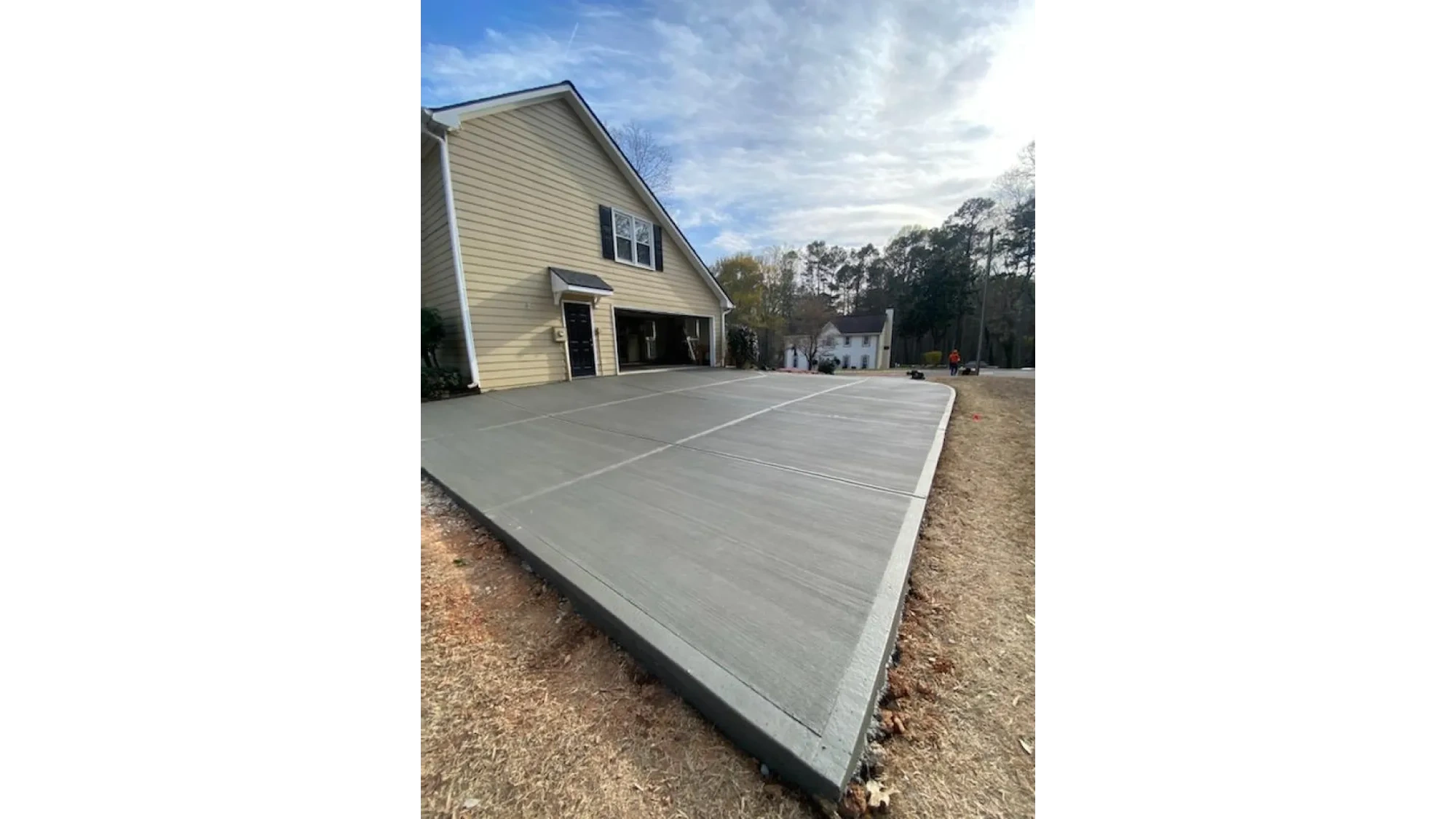
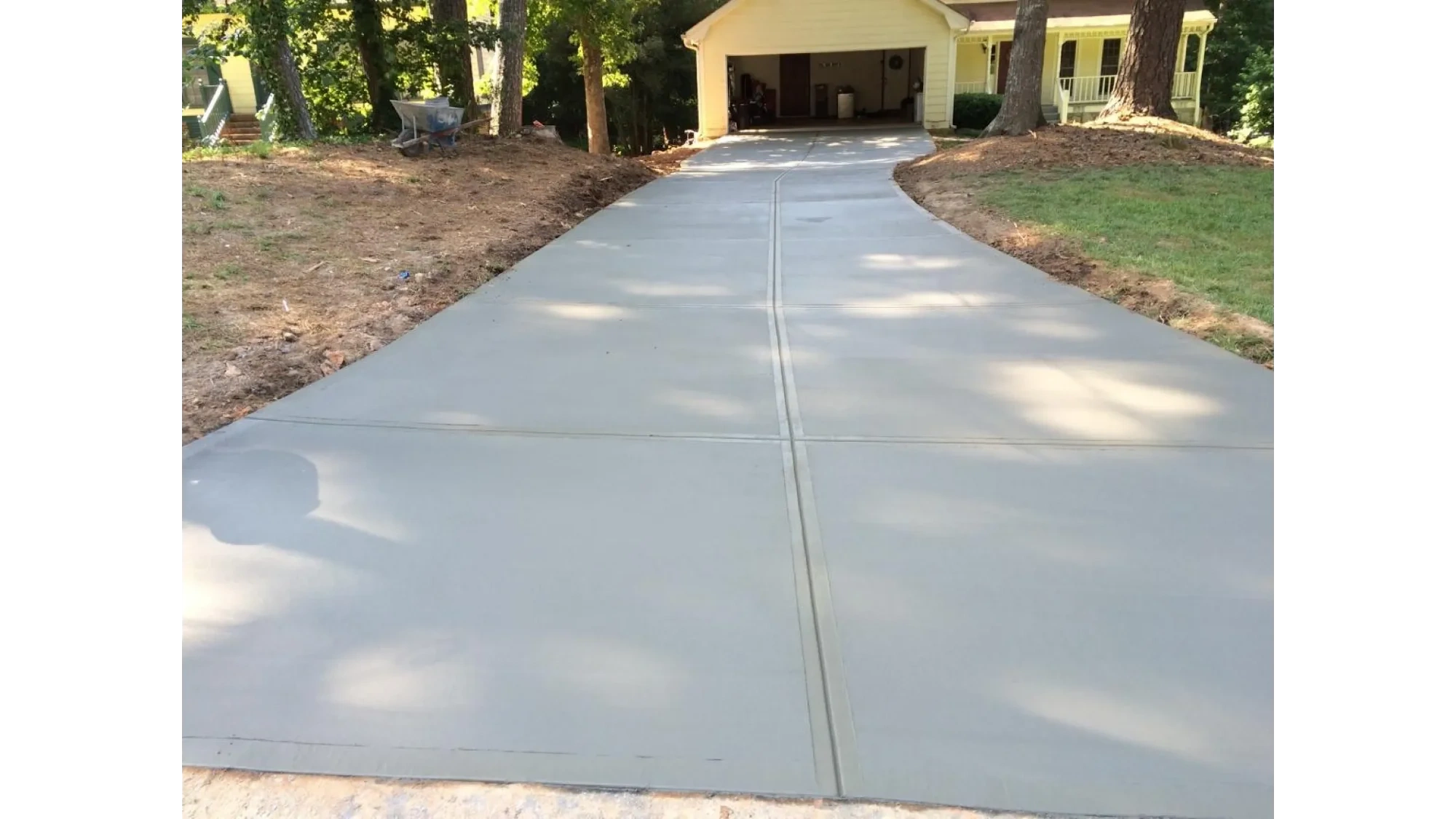
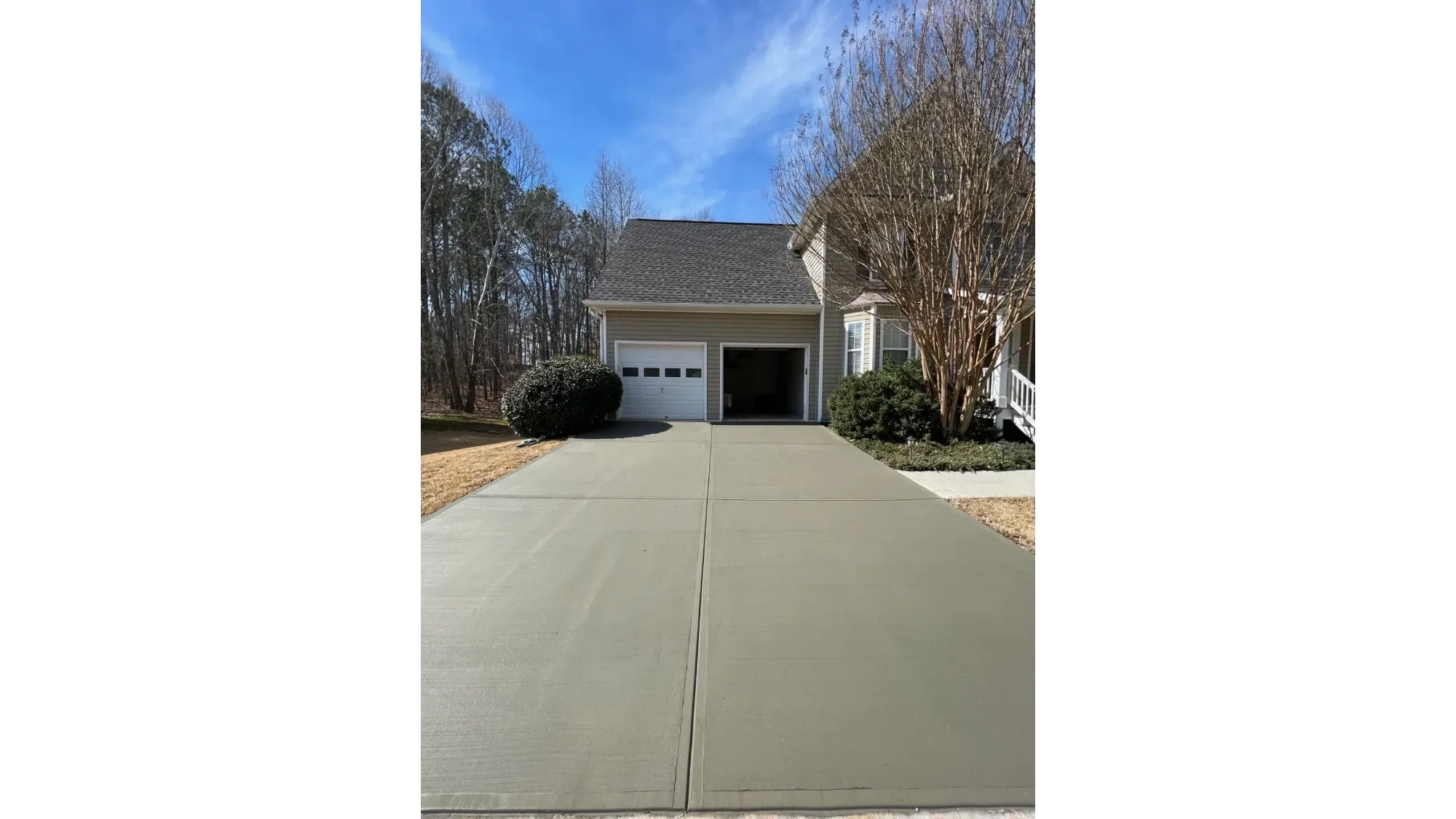
Slab Happy Concrete circular driveway contractor Michigan
5.0
Google Rating
Circle & Horseshoe
Specialists
Licensed
& Insured
7 Counties
Served

Circular Driveway Specialists Across Oakland County & Southeast Michigan

A circular driveway solves a functional problem: getting vehicles in, turned around, and back out without backing into the road. On rural parcels with long approaches, horseshoe drives mean guests and delivery trucks don't block the drive. On estate lots, they handle daily in-and-out traffic, guest parking, and safer exit onto busy roads. On narrow lots, a teardrop loop gives you turnaround capability where a full circle won't fit.

The engineering side is where most contractors cut corners. Curves change every part of the job: forms flex into precise radii, base compaction follows the arc, control joints need radial layout instead of standard straight cuts, and drainage has to shed outward from the crown without pooling inside the circle. Done wrong, curves crack along the arc within three years. Slab Happy Concrete is built for curve work. We pour circular driveways throughout Oakland County, across Macomb County's larger lots, and across rural Lapeer and Genesee where long horseshoe drives with big turnarounds are standard.

Default finish on every drive we pour is plain broom. That's what stands up to Michigan winters, takes the least maintenance, and keeps total cost focused on what matters — square footage, base prep, proper jointing, and a continuous pour. Decorative finishes are available if you want them, but they're not the reason to hire us.

What We Build

Circular Driveway Services

Six variations we handle across residential estate and rural markets.

Horseshoe Driveways

Classic two-entrance horseshoe layout with curved drive legs meeting at a central approach. Most common residential circular configuration. Works on lots 75+ feet wide at the road.

Full Circle Driveways

Complete circular drive around a central landscape island. Estate-scale — typically needs 50+ foot outer diameter. Plain broom finish as default.

Teardrop Drives

Single-entrance loop for turnaround capability on narrower lots where a full horseshoe won't fit. Daily functional access without backing into the road.

Courtyard Driveways

Circular or semicircular drives integrated with formal courtyard approach, including guest parking bays and integrated pads for multiple vehicles.

Replacement & Tearout

Removing failing asphalt or cracked concrete circular drives and rebuilding with properly engineered new concrete. Footprint matching or redesign.

Heavy-Duty Horseshoe Drives

6-inch-thick horseshoe layouts for properties with heavy vehicles — box trucks, trailers, equipment, farm vehicles. Reinforced for sustained load. Rural and agricultural use cases.

Built Different

What Makes Curve Work Harder

Five places a circular driveway pour differs from a standard straight drive — and where most contractors get into trouble.

1. Forming Curves Precisely

Straight drive forms are plywood and stakes. Curved forms are flexible bender board, steel stake forms pre-bent to radius, or site-built formwork shaped to the intended arc. Getting a clean, consistent radius along the full curve takes time — rushing this step produces a wavy edge that's visible forever. We mark the curve with string from the center point, set forms to the marked line, and verify the radius at multiple points before pouring.

2. Base Preparation That Follows the Curve

On a long straight run, a plate compactor walks up one side and down the other. On a curve, compaction has to follow the arc — and the inner and outer radii of the drive are different distances, so the inner surface needs less material and less compaction travel than the outer. Cutting this corner leaves soft spots that show up as surface depressions within a season. We excavate to depth, compact in passes that follow the radius, and verify consistency across the full curve before pouring.

3. Radial Joint Layout

This is where curve work really separates from straight work. Standard transverse control joints (cuts perpendicular to the drive direction) don't work on a curve because they'd converge toward the inner radius. The correct approach is radial joints — cuts running from the inner radius to the outer radius at regular angular intervals, typically every 10 to 15 feet of outer arc length on a 4-inch slab. Combined with one or two full-width transverse cuts, this keeps thermal cracking inside the joints and off the visible slab face. Many contractors skip radial layout and their curves crack mid-slab within the first freeze-thaw cycle.

4. Drainage Design for Curved Slabs

Water on a curved driveway doesn't shed the same way as on a straight drive. Outer arcs tend to be higher (that's how you bank a turn), and inner arcs are lower — which means water naturally pools at the inner radius unless planned otherwise. We design the pitch so water sheds to the outer edge and off the drive, with French drains or drainage swales integrated along the inner radius where the landscape or courtyard sits. On full circles with a center island, we often install a center catch basin tied to a dry well or French drain to keep the island landscape from flooding.

5. Continuous Pour Around the Curve

A cold joint on a curved drive is obvious — the seam shows up as a line across the arc. The only way to avoid it is to pour the full curve in a continuous sequence without breaks. We coordinate with our ready-mix supplier to stage loads at the right pace so the concrete never starts to set before the next pour begins. Smaller circular drives can pour in one load; larger estate circles might need 3 to 5 coordinated truck loads. That coordination is part of what the job requires, and it's why you want a contractor who's done it before.

Design Choices

Options for Circular Driveway Design

The design decisions that define how your circular drive looks and performs.

Outer Diameter

Minimum functional is 35-40 ft for passenger cars, 45 ft for comfortable SUV/truck maneuvering, 50-60 ft for estate-scale. Larger diameter = easier turns, more square footage.

Drive Lane Width

Typical 12-14 ft for a single track, 16-18 ft if you want two cars to pass comfortably. Wider lanes near the home for guest parking, narrower on the far side.

Slab Thickness

Standard 4-inch for passenger vehicles. 6-inch for properties with heavy vehicles — box trucks, trailers, farm equipment. Thicker slabs on longer-life horseshoe drives that see daily commercial traffic.

Center Island Use

Functional landscape bed, lawn panel, or planted buffer inside the circle. Sizing affects drainage design at the inner radius — we plan this during the estimate.

Turnaround Bump-Out

Optional widened section along one arc for guest parking, delivery vehicle staging, or trailer turnaround. Common on rural and agricultural drives where visitors and equipment need space off the main travel lane.

Reinforcement

Fiber mesh standard for residential; rebar grid on sections supporting heavy vehicles or long-span curves. Keeps thermal cracks tight and structural, not progressive — critical on curves where geometry concentrates stress.

Where We Build Circular Concrete Driveways

Circular drives work best on lots that can accommodate the geometry — typically half-acre+ homesites with road frontage wide enough to support two curb cuts (for horseshoe layouts) or deep enough set-back for full-circle approaches. Here's where we build them most often:

Bloomfield Hills

Estate properties near Kirk in the Hills and along Lone Pine and Vaughan with deep set-backs ideal for full-circle drives.

Oakland Township

Rural estate lots along Paint Creek Trail and Goodison, half-acre+ parcels where horseshoe drives are common.

West Bloomfield

Lake-area estates around Orchard Lake and Walnut Lake with formal circular approaches.

Orion Township

Lakefront and estate properties around Indianwood and Lake Orion with curved approach drives.

Clarkston

Rural estates off Dixie Highway and Sashabaw, wooded sites with formal circular entrances.

Highland

Rural lake-area homes with set-back houses ideal for full-circle or horseshoe driveways.

Metamora

Horse country estates and large parcels where circular turnarounds are standard on long rural approaches.

Rochester Hills

Executive-scale neighborhoods in Stoney Creek and Avon area with formal front approaches.

Troy

Executive homes near Somerset and along Big Beaver with circular or semicircular formal entries.

Got Questions?

Circular Driveway FAQ

How much does a circular concrete driveway cost in Michigan?+
Circular concrete driveways in Michigan typically range from $12 to $15 per square foot installed — the same per-square-foot rate as standard drives. What drives the total is the full square footage. A typical residential horseshoe driveway with a 40-foot interior diameter and 12-foot-wide drive lanes covers roughly 2,000 to 2,800 sq ft. Larger estate-scale full circles with 60+ foot diameters can run 4,000 to 6,000+ sq ft. Decorative borders, stamped center features, or larger turn radii affect final cost. Free on-site estimate included.
What's the minimum space needed for a circular driveway?+
For a functional horseshoe or teardrop driveway that passenger vehicles can navigate comfortably, you need an inner turning radius of 15 to 18 feet minimum. A full circular driveway typically needs a 35 to 40-foot outer diameter at the absolute minimum for passenger cars, 45+ feet if you want larger vehicles (SUVs, trucks, occasional box trucks) to maneuver without tight turns. Most homeowners benefit from planning a 50 to 60-foot outer diameter for comfortable daily use and guest parking.
How are joints laid out on a curved concrete driveway?+
Control joint layout on curved slabs is different from straight pours. Standard approach is radial joints — joints cut from the inner radius outward at regular angular intervals — combined with one or more transverse joints across the drive width. Spacing should match slab thickness (typically 10 to 15 feet on a 4-inch slab). Proper radial layout keeps thermal cracking controlled inside joints rather than across the slab face where it's visible. This is one of the details that separates experienced curve work from contractors who treat a curved pour like a straight one.
Can you match an existing circular driveway or tie into one?+
Yes. Common scenarios include extending a circular drive to a new garage or outbuilding, rebuilding just the deteriorated section while preserving the intact portion, or replacing an asphalt circle with concrete while matching the original footprint. We tie new concrete into existing drives with proper expansion joints, color matching where applicable, and finish matching (broom, smooth, exposed aggregate) so the result looks intentional.
How thick should a circular driveway be?+
Standard residential circular driveways are 4 inches thick, which handles passenger vehicles and typical SUVs through Michigan's freeze-thaw cycles. For properties with heavier vehicles — box trucks, trailers, contractor vans, farm equipment, or loaded commercial vehicles — we recommend 6 inches with a rebar grid or fiber reinforcement. The inner radius of a curve concentrates load stress more than a straight run, so thicker sections on heavy-vehicle horseshoe drives pay off in longevity. We'll recommend thickness based on how you actually use the drive during the estimate.
How long does a circular driveway installation take?+
For a typical residential horseshoe or full circle, expect 4 to 6 working days including excavation, base preparation, form setup (which takes longer for curves than for straight runs), pour day, and initial cure. Decorative elements like stamped borders or exposed aggregate bands add 1 to 2 days. Plan for 7 days before walking on the surface and 28 days before heavy vehicle traffic.
Do circular driveways drain properly in Michigan's climate?+
They can, with proper design. The key is planning the pitch so water sheds outward from the crown of the drive to the outer edges — typically 1/8 inch per foot minimum. Inner radii often need edge drainage (French drains or drainage swales) to prevent pooling inside the circle where the landscape or courtyard sits. Michigan freeze-thaw means standing water becomes ice quickly, so drainage design gets extra attention on circular drives where geometry naturally creates lower points.
Get In Touch

Request a Free On-Site Estimate

Every circular drive is site-specific. We'll come out, measure your lot, assess the curve geometry and drainage, and give you a detailed quote at no cost.

Contact Information

Our Office

100 Rochester Rd Suite 100-D
Leonard, MI 48367

Get Directions

Call Us

(248) 929-5102

Service Areas

Oakland, Genesee, Macomb, Lapeer, Livingston, St. Clair & Wayne Counties

Business Hours

Monday – Friday: 9 AM – 5 PM
Saturday – Sunday: Closed