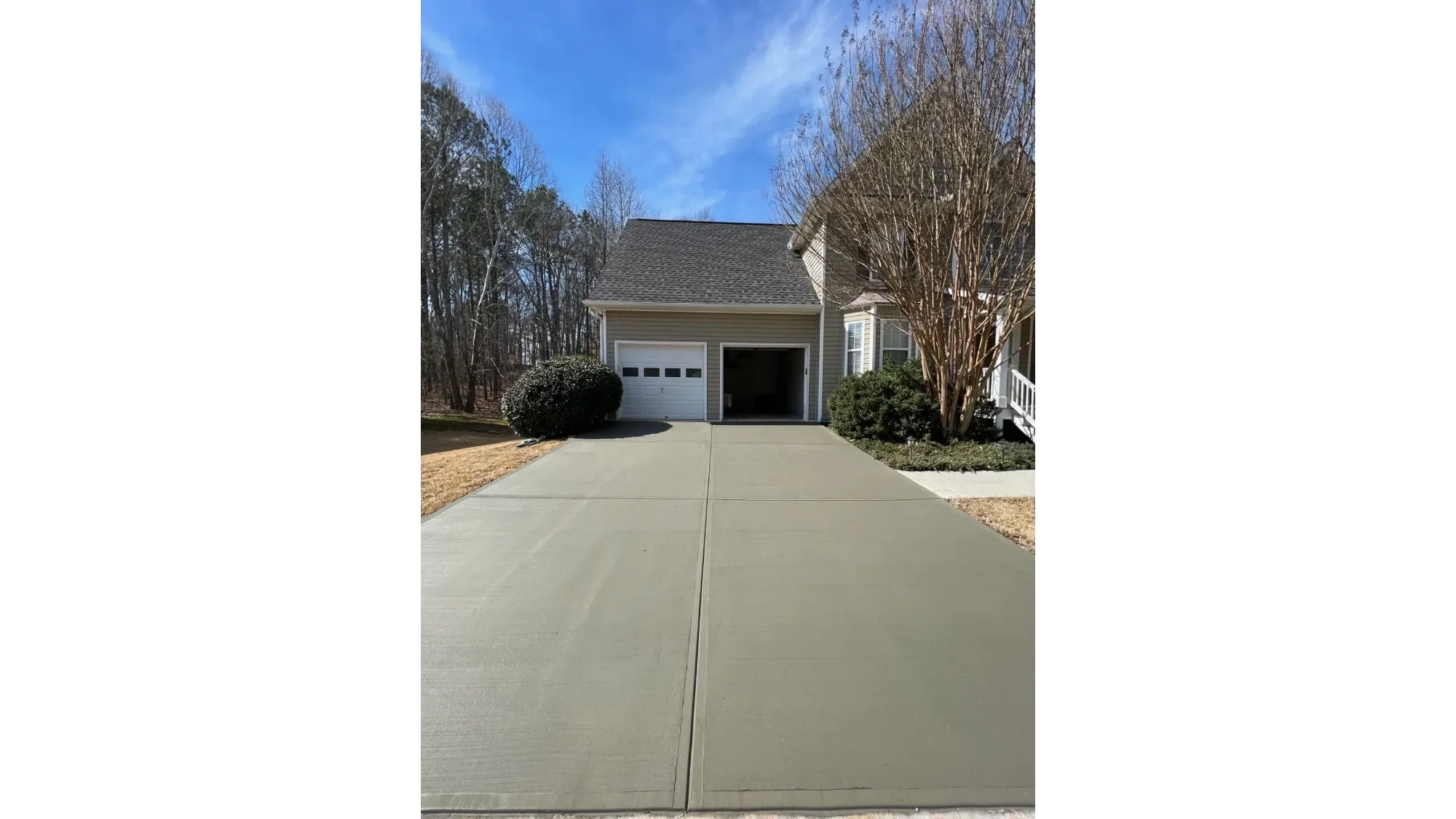
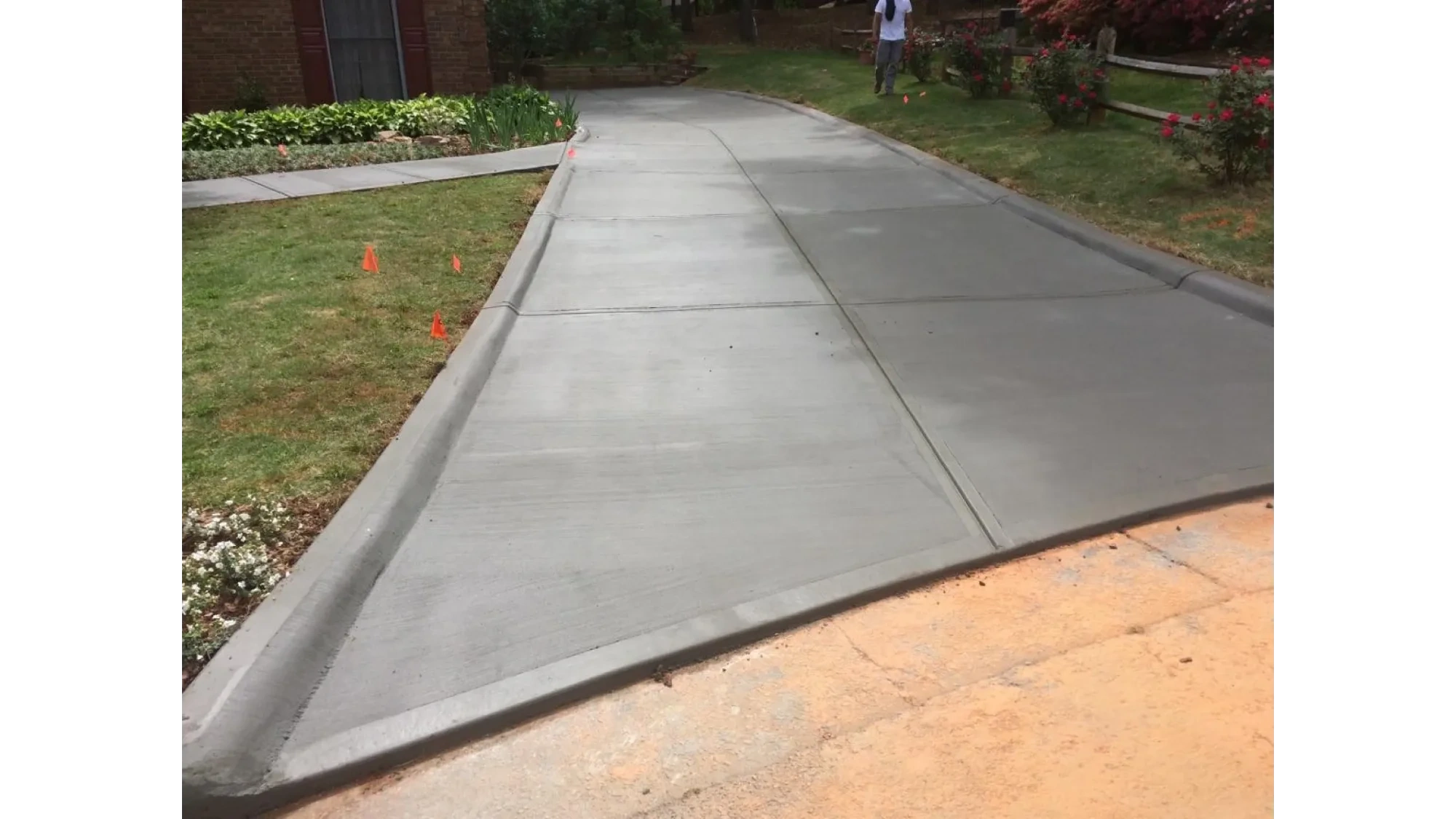
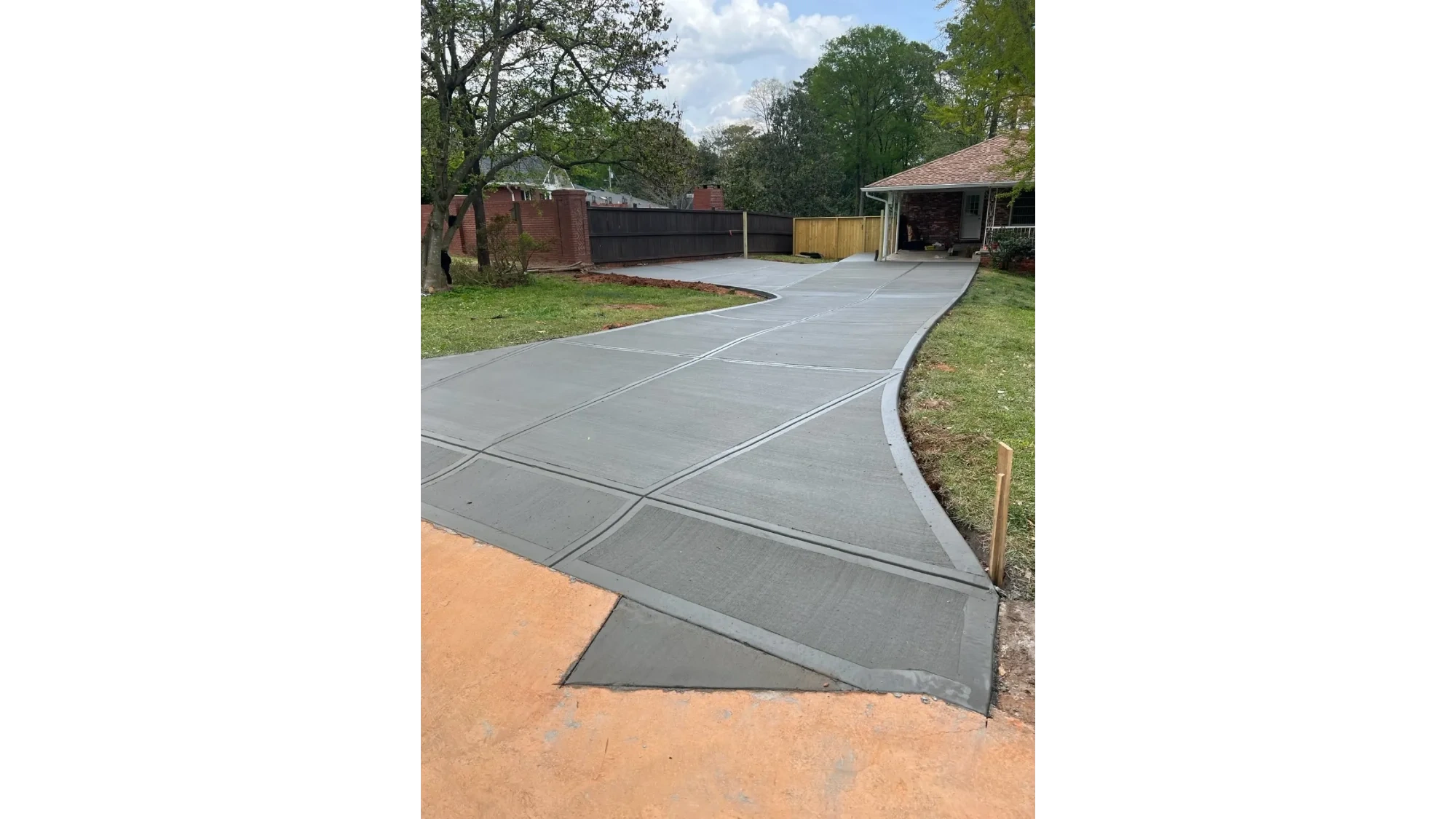
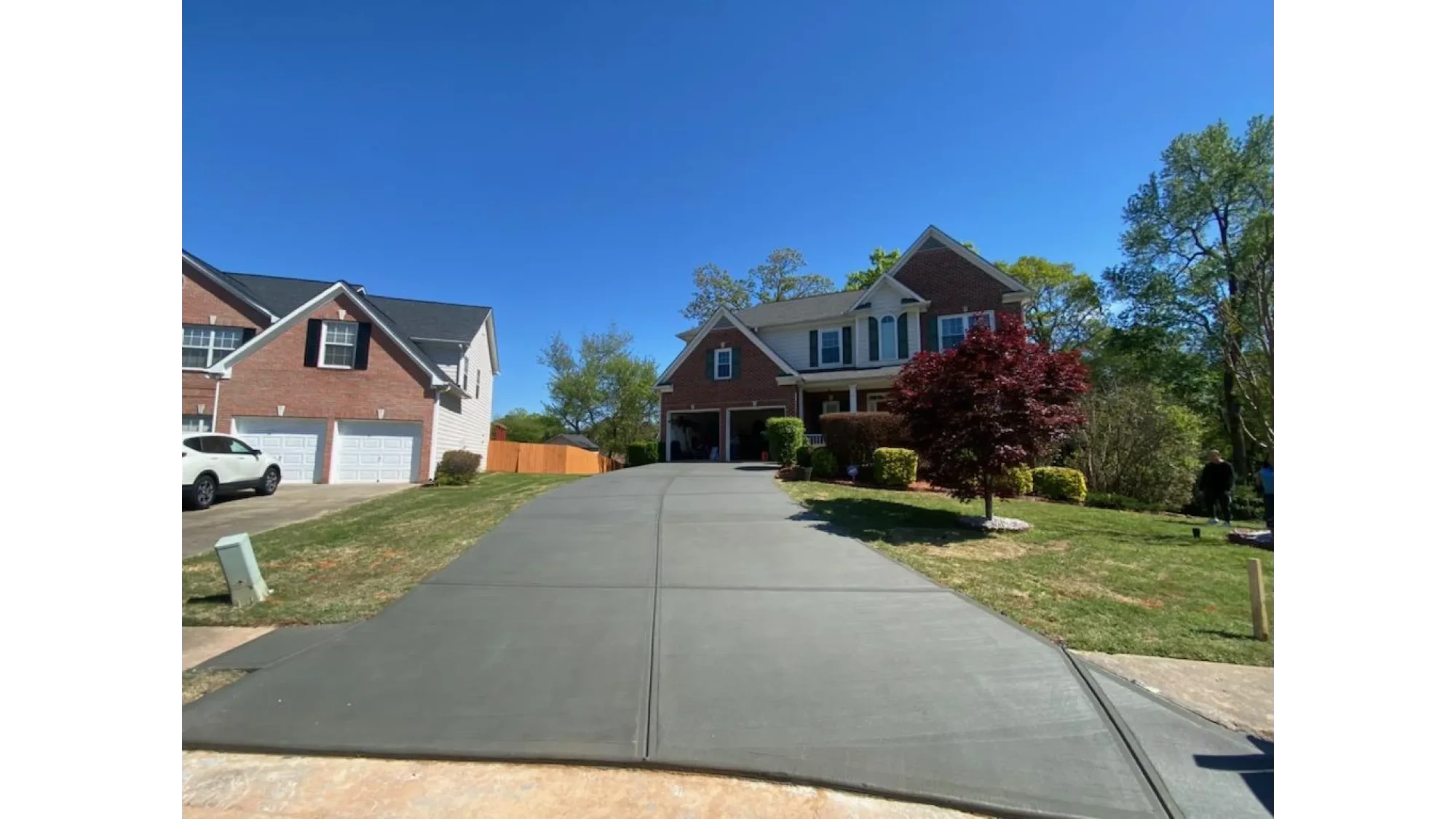
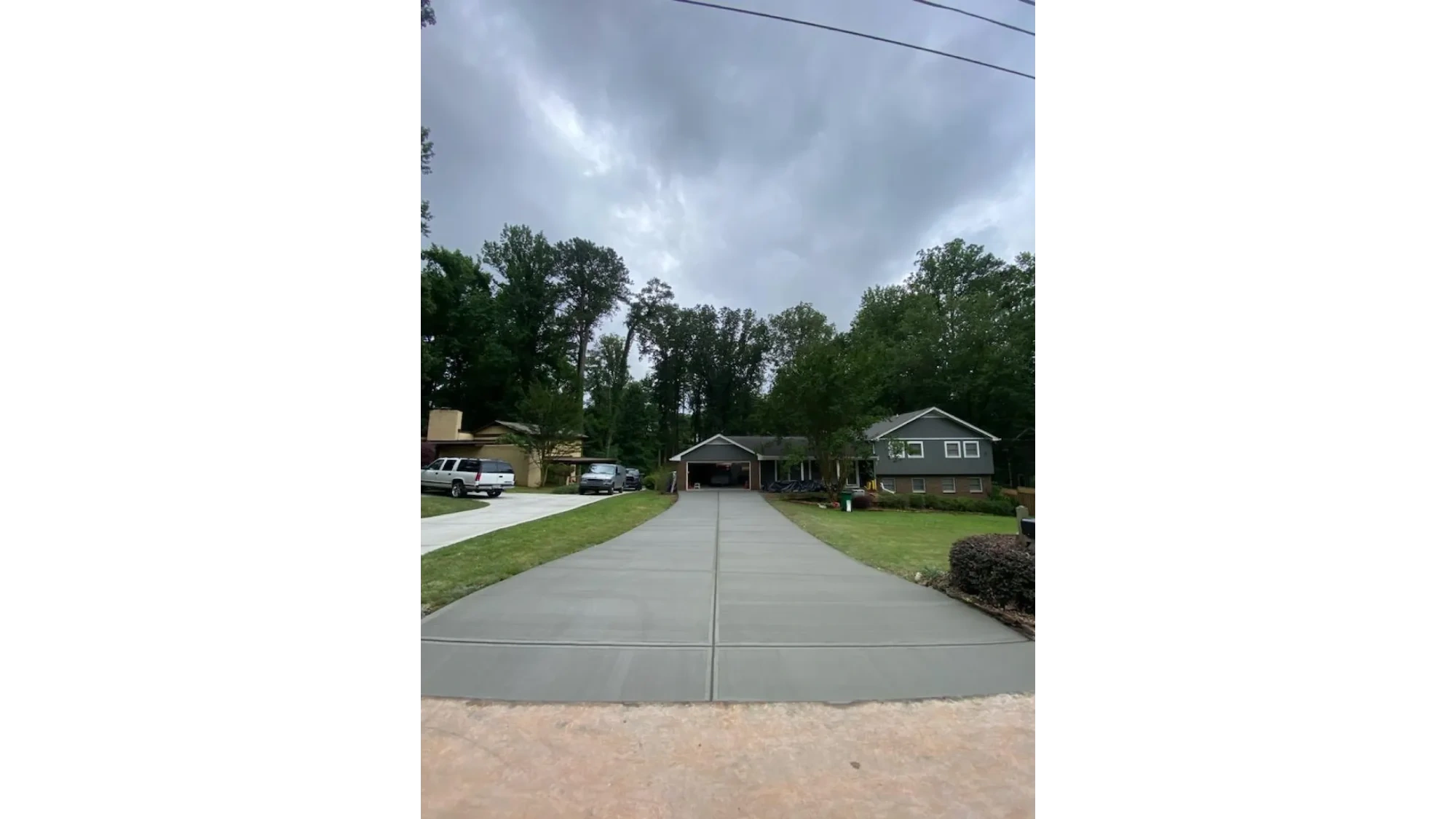
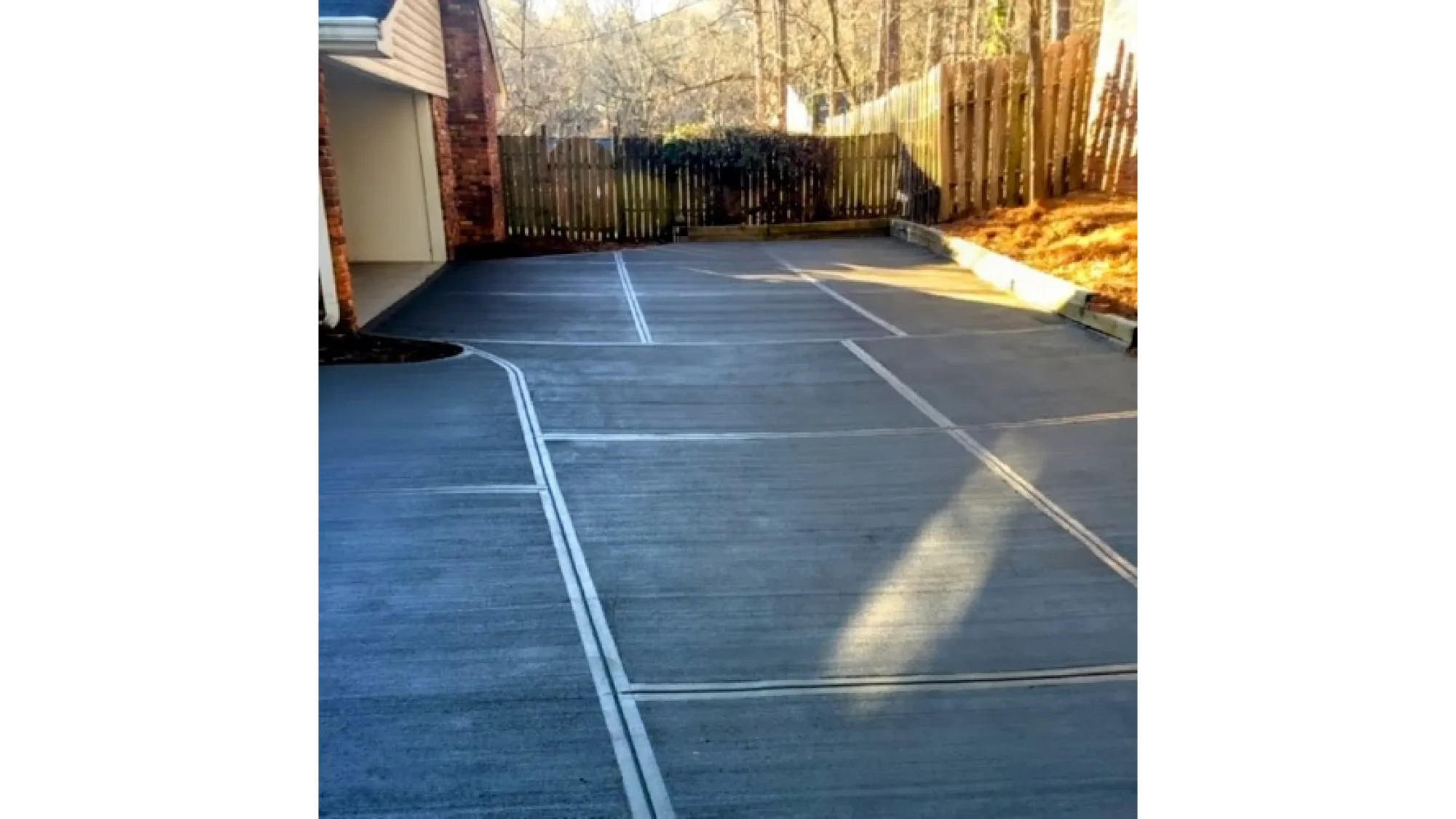
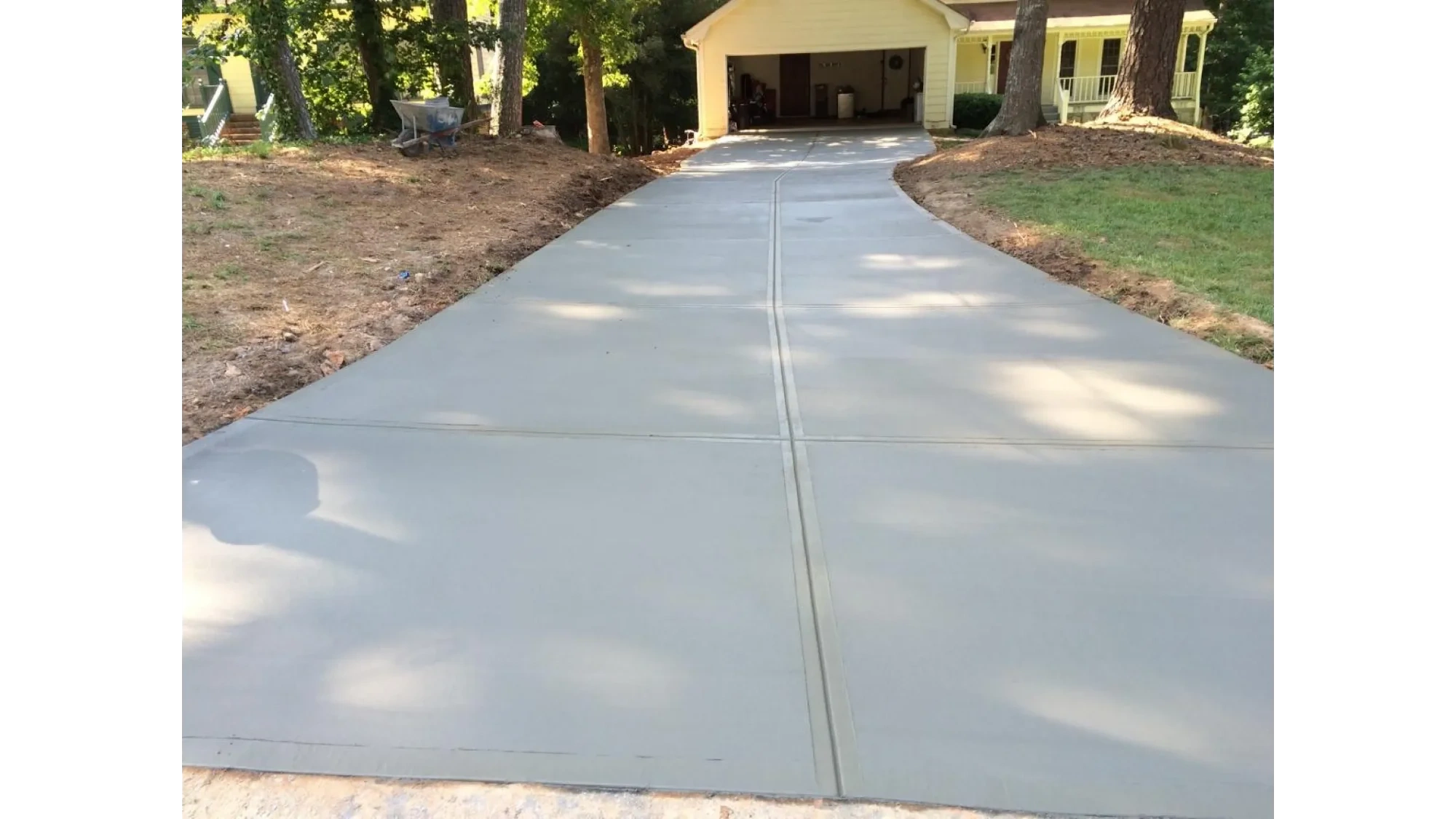
Concrete Driveway Extension & Widening in Michigan

Add Capacity to the Drive You Already Have

Slab Happy Concrete extends and widens existing concrete driveways across Oakland, Macomb, Lapeer, and Genesee counties. Clean saw-cut tie-ins, proper expansion joints, matched broom finish, and engineered base prep so the new section performs like the old one. Built for homeowners adding a second garage, widening for two-car pass, extending to an outbuilding, or adding parking for a trailer or RV.
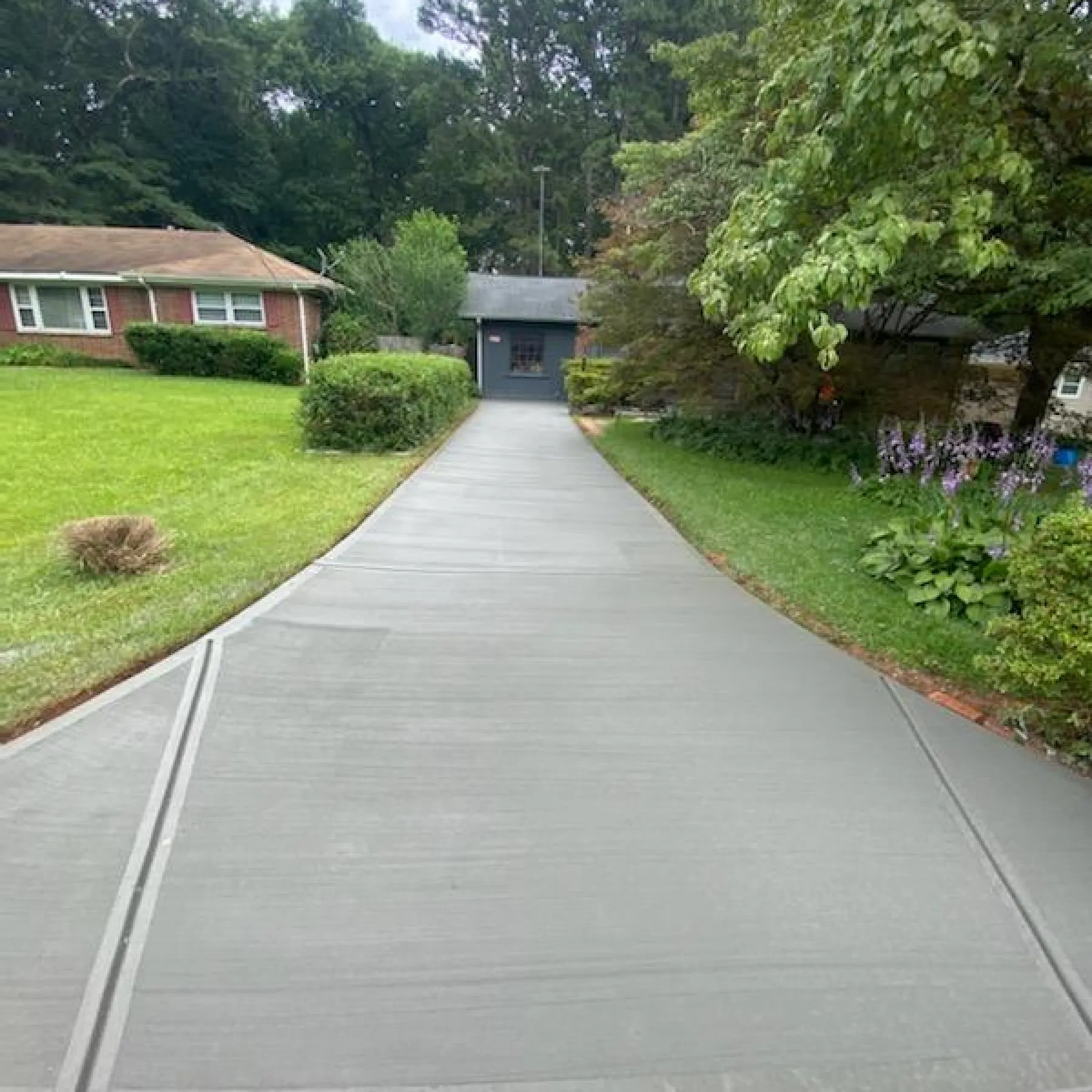
Slab Happy Concrete driveway extension contractor Michigan
5.0
Google Rating
Clean Tie-In
Saw-Cut Work
Licensed
& Insured
7 Counties
Served

Extending an Existing Drive Is Different from Pouring New

Most contractors treat driveway extension like a smaller version of a new drive — they pour the new section and butt it against the existing concrete. Two winters later, the tie-in has cracked, settled unevenly, or developed a gap where water infiltrates the base. The extension "worked" for a year and then failed.

A proper extension is a different job. The existing concrete has to be saw-cut to a clean straight edge. An expansion joint has to be installed between old and new so they can move independently through thermal cycles. The base under the new section has to match the existing grade and compaction so settlement is uniform. The finish — almost always broom on residential drives — has to be matched in direction, depth, and texture so the seam reads as an intentional joint rather than a construction scar.

Slab Happy Concrete does extension work the right way. Homeowners across Oakland County and beyond call us when they're adding a second garage, widening their drive for two-car passing, extending to an outbuilding or pole barn, or adding a parking pad for a trailer, RV, or second vehicle. Plain broom finish is our default — same finish that's on your existing drive, matched in technique so it blends cleanly.

What We Build

Driveway Extension Services

Six common scenarios we handle across Oakland County and surrounding markets.

Driveway Widening

Adding width to an existing drive — typically expanding a 12-foot single lane to 16-20 feet for comfortable two-car passing, or widening the approach near the garage for multi-car parking.

Extension to New Garage

Extending your existing drive to reach a new garage, pole barn, or outbuilding. Handles the transition at the existing edge plus the new slab right up to the building approach.

Parking Pad Addition

Adding a dedicated parking area for a second vehicle, trailer, boat, or RV — tied into the existing drive with a clean expansion joint. Typical size 200 to 400 sq ft.

Turnaround Bump-Out

Adding a turnaround or bump-out to a long existing drive so you don't have to back all the way out to the road. Saves wear on the drive and improves safety on rural properties.

Apron Extension

Extending the driveway apron at the road end — wider approach, deeper setback from the public right-of-way, or connecting to a new secondary entrance.

Replace + Widen Combined

When the existing drive is too far gone to save, we tear out and replace — often widening in the same job since the setup and pour logistics are already on-site. Full new drive with your upgraded dimensions.

Built Right

How We Tie New Concrete into Old

The tie-in is where extension jobs succeed or fail. Five things we do that most contractors skip.

1. Clean Saw-Cut of the Existing Edge

We don't pour against the broken, irregular edge of a hand-chipped or previously-formed slab. That edge has voids, loose aggregate, and irregular profile that compromise the tie-in. We saw-cut the existing concrete to a clean vertical straight edge with a concrete saw, removing the outer 2-4 inches if needed to reach sound material. The new pour meets that clean face with predictable geometry.

2. Expansion Joint at the Tie-In

Old concrete and new concrete have different pour dates, different cure histories, different embedded moisture profiles. They will move at different rates through thermal cycles. The only right way to handle that is an expansion joint — a compressible filler strip installed the full depth of the slab between old and new. This lets each section move independently without stressing the adjacent concrete. Skip this step and you get cracking at the tie-in within the first freeze-thaw cycle.

3. Matched Base Preparation

The base under the new section has to match the base under the old section in compaction and grade. Unmatched base leads to differential settlement — one section drops relative to the other, creating a stepped crack at the tie-in. We excavate the new section to match the depth of the existing base, install the same aggregate (typically 6-8 inches of 21AA or equivalent), and compact it in passes with a plate compactor until it's within the same density window as the existing material.

4. Matched Broom Finish

Residential drives are almost always broom-finished. Matching the broom pattern on the new section to the existing is a hand-skill — direction of brush strokes, depth of texture, pressure and drag speed. Done right, the two pours look like one continuous slab with an intentional joint running through it. Done wrong, the new section reads as "obviously patched" from the curb. We match finish on every extension.

5. Pitch and Drainage Continuation

The new section has to continue the drainage plane of the old section — water flowing down the existing drive has to keep flowing, not pond at the tie-in or redirect into the landscape. We survey the existing pitch and maintain it across the tie-in, adjusting the new slab geometry so runoff behaves consistently. On widening jobs, the cross-slope toward the edge has to be preserved so water still sheds off the drive instead of pooling along the expanded surface.

Where We Extend & Widen Concrete Driveways

Extension and widening jobs happen everywhere — any homeowner who's outgrown their original driveway capacity. Our biggest volume comes from these markets:

Troy

Executive-style homes adding second garages or widening for household second vehicles. Common along Big Beaver and near Somerset.

Rochester Hills

Large neighborhoods in Stoney Creek area, widenings and extensions to accessory buildings.

Oakland Township

Rural properties extending drives to pole barns, horse barns, and outbuildings. Adding turnaround bump-outs on long rural drives.

Bloomfield Hills

Estate properties adding third-bay garage drives and widening approaches for household fleets.

Clarkston

Rural and lake-area homes extending drives to detached garages and boat storage buildings.

Metamora

Horse country properties extending drives to barns, arenas, and equipment buildings.

Lake Orion

Lakefront properties adding parking pads for boat trailers, RVs, and lake equipment.

Highland

Rural parcels adding outbuilding extensions and trailer parking.

White Lake

Lake-area homes extending drives for boat storage and RV parking.

Got Questions?

Extension & Widening FAQ

How much does a concrete driveway extension cost in Michigan?+
Concrete driveway extensions and widening projects in Michigan typically range from $12 to $15 per square foot installed — same per-square-foot rate as new drives. The square footage is what varies: widening an existing 12-foot-wide drive to 20 feet over a 60-foot run adds roughly 480 sq ft. Extending a drive 40 feet to reach a new garage at 14 feet wide adds 560 sq ft. A parking pad for a second vehicle or trailer might be 200 to 400 sq ft. Final cost depends on tie-in complexity, base prep for the new section, any tearout of existing asphalt or gravel, and reinforcement. Free on-site estimate included.
Can you tie new concrete into my existing concrete driveway?+
Yes — this is the bulk of extension and widening work. The tie-in is where most of the skill lives. We saw-cut the existing concrete to a clean edge, install an expansion joint between old and new (the expansion joint absorbs thermal movement between slabs that have different pour dates and different cure histories), pour the new section against proper forms, and broom-finish to match the existing texture. Done right, the seam is visible only as an intentional control joint, not as a crack-prone weak point.
Will the extension match my existing concrete color and finish?+
New concrete almost always starts lighter than aged concrete — weathering, embedded dirt, and UV exposure darken concrete gradually over years. The new section will blend in within 6 to 12 months of normal use. For finish matching, broom finish is the standard residential texture and we match direction, depth, and brush pattern to your existing surface. If your existing drive has a stamped or decorative finish, match is harder and less reliable — in those cases we usually recommend either a full replacement or intentionally contrasting the extension with a clean broom finish.
How do you prevent cracking at the tie-in between old and new concrete?+
Three things: a proper expansion joint at the tie-in (not just butted edges), matched base preparation under the new section so it doesn't settle differently from the old, and control joint layout that respects the expansion joint as the primary movement point. We saw-cut the existing concrete to a clean straight edge, install a compressible expansion joint filler the full depth of the slab, and tool both sides of the joint so water can't infiltrate underneath. The goal is to let the old and new sections move independently — thermal expansion and contraction are predictable if the joints handle them.
How long does a driveway extension or widening take?+
For a straightforward widening or extension of up to about 500 sq ft, expect 2 to 3 working days including tearout, base prep, forming, pour, and initial cure. Larger extensions (800 to 1,500 sq ft, like adding a full second lane or a long extension to a new garage) run 3 to 4 days. You can walk on the new section after 7 days and drive passenger vehicles on it after 14 days, though we recommend 28 days before heavy loads.
Do I need a permit to widen or extend my concrete driveway?+
It depends on the township. Many Oakland County townships require a permit if the driveway crosses a public right-of-way, if the total drive area exceeds a threshold (often 1,000 to 1,500 sq ft), or if the widening changes the approach to the public road. Minor extensions that stay on private property usually don't need permits. We handle permit coordination as part of the estimate — if a permit is needed, we'll tell you upfront and include it in the quote.
Should I widen my existing driveway or tear it out and start over?+
Depends on the condition of the existing concrete. If the existing drive is structurally sound with only surface wear or a few hairline cracks, widening or extending makes sense — you preserve the investment in the original slab. If the existing drive is cracking heavily, settling, heaving, or has failed base prep underneath, a widening is throwing good money after bad because the old section will continue to deteriorate next to the new. During the estimate we'll assess the condition and tell you honestly whether to extend or replace.
Get In Touch

Request a Free On-Site Estimate

We'll come out, measure the existing drive, assess the tie-in and base conditions, and give you a detailed quote at no cost.

Contact Information

Our Office

100 Rochester Rd Suite 100-D
Leonard, MI 48367

Get Directions

Call Us

(248) 929-5102

Service Areas

Oakland, Genesee, Macomb, Lapeer, Livingston, St. Clair & Wayne Counties

Business Hours

Monday – Friday: 9 AM – 5 PM
Saturday – Sunday: Closed